Here is the revised article. I have maintained the original structure and depth while strictly removing any language that suggests structural repairs (like fixing bends or cracks). The focus is now entirely on cosmetic refinishing and restoration of the wheel's surface and appearance.
I've been refinishing car rims for over 12 years in Salt Lake City and Northern Utah, and I can tell you that most people don't realize their damaged rims can look factory-new again. Every week, customers show me rims they thought were ruined by curb damage or corrosion, only to drive away hours later with wheels that look better than when they bought their car.
Rim refinishing isn't just about covering up scratches and scuffs. It's about restoring the appearance, protection, and value of your wheels. When done properly, professional cosmetic rim refinishing can save you thousands of dollars compared to buying new wheels.
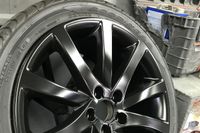
Car rim refinishing is the process of restoring the surface of aluminum wheels back to their original aesthetic condition. This involves stripping the old finish, repairing cosmetic damage, and applying a new protective coating that matches or improves the original appearance.
I approach every rim refinishing job with the same attention to detail that factories use when manufacturing new wheels. The goal isn't just to make your rims look better – it's to ensure the finish performs like new for years to come.
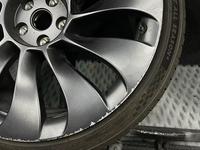
Most people call me when their rims have curb rash, scratches, oxidation, or color fading. Refinishing fixes these surface issues and restores the protective barrier that keeps the metal safe from the elements.
After thousands of rim refinishing jobs, I know exactly what to look for when evaluating wheel damage. Here are the most common problems I see that indicate your rims need professional cosmetic attention:
I don't cut corners when refinishing car rims. Every wheel gets the same thorough treatment regardless of the damage level or customer budget. Here's exactly what happens during professional rim refinishing:
Before starting any work, I carefully inspect each rim. It is important to note that refinishing is a cosmetic process. I inspect the wheels to ensure there are no cracks, bends, or structural compromises. If a wheel is structurally unsafe, I will be honest and tell you it needs replacement rather than refinishing. This prevents surprises and ensures you aren't paying to paint a wheel that is unsafe to drive on.
Professional rim refinishing starts with completely stripping the old finish. I use specialized chemical strippers and media blasting to remove every trace of old paint, clear coat, and corrosion. This creates a clean foundation for the new finish. Many shops try to save time by sanding over the existing finish, but this approach never works long-term.
Once the rim is stripped clean, I address any surface damage. Minor scratches get sanded smooth, and deeper cosmetic gouges (from curb rash) are filled and smoothed. This stage determines how good the final result looks. Perfect surface preparation creates mirror-smooth finishes, while rushed prep work shows every flaw under the new paint.
Quality rim refinishing requires proper primer designed specifically for aluminum wheels. This primer provides adhesion for the finish coats and prevents corrosion from restarting under the new paint. I apply multiple thin primer coats rather than one thick coat, allowing proper cure time to build durability.
Matching the original rim color requires skill and quality materials. I use factory paint codes when available, but many older rims need custom color matching to get perfect results. The paint application process involves multiple base coats followed by clear coat protection.
Every refinished rim gets multiple clear coat layers for protection against UV damage, brake dust, and road chemicals. The clear coat also provides the gloss level and surface smoothness that makes wheels look expensive. After the clear coat cures, I polish the rim to remove any imperfections.
Most rim refinishing services require you to leave your vehicle at a shop for days or weeks. I bring the entire refinishing process to your location with my fully equipped mobile workshop.
Mobile rim refinishing offers several advantages:
Many customers ask whether they should refinish their existing rims or buy new ones. The answer depends on several factors that I evaluate during the initial inspection.
I've repaired hundreds of failed rim refinishing attempts over the years. Most failures happen because people try to save money with shortcuts:
Proper maintenance keeps refinished rims looking factory-fresh for years.
Choosing rim refinishing over replacement reduces environmental waste. Manufacturing new aluminum wheels requires significant energy, while refinishing uses existing wheels and generates minimal waste. I've refinished thousands of rims that would have otherwise ended up in landfills, extending the life of the product significantly.
After 12 years of rim refinishing in Salt Lake City and Northern Utah, I know the difference professional restoration makes. Your cosmetically damaged rims don't need to be replaced – they need the expert attention that brings them back to factory condition.
At Salt City Wheels, we bring complete rim refinishing services directly to your location. From minor curb rash to complete color changes, we deliver the quality results that make your vehicle look its best.
Contact us today for a free evaluation and quote. Let us show you why thousands of Northern Utah drivers trust Salt City Wheels to restore their wheels to perfect condition.
Professional rim refinishing typically takes 4-6 hours per wheel with proper curing time. Most complete sets can be finished in one day with mobile service, allowing you to drive your vehicle immediately after completion.
Yes, rim refinishing costs 60-80% less than buying equivalent new wheels. For a typical set of four rims, refinishing saves $1,000-3,000 while delivering results that often look better than original factory finish.
With proper care, professional rim refinishing with quality materials and clear coat protection is designed to provide long-lasting durability for the life of your vehicle. How well the finish holds up depends on driving conditions, care habits, and the quality of the refinishing process.
We bring expert wheel repair and refinishing to your location across Salt Lake City, Draper, Lehi, Park City, and nearby areas. Wherever you are in Northern Utah, we come to you.